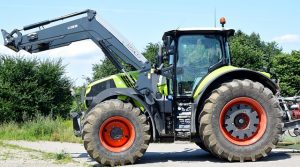
 In your small business, you may use a variety of equipment, including tools, vehicles, excavators, computers, and landscaping tools. You can lease or buy this equipment. Because both options include risks, compare both options.
Benefits of Leasing
-
- Save money right now. Equipment can cost hundreds of thousands of dollars upfront to purchase. A lease requires a smaller initial payment and eliminates interest charges. The payments are tax deductible, too, which reduces the item’s net cost.
-
- Enjoy flexible lending terms. Maybe you have bad credit and can’t get a traditional loan. Most leasing companies offer flexible lending terms, giving you access to the equipment you need.
-
- Easily upgrade. When your lease ends, upgrade to new equipment and its new technology right away instead of waiting until you save enough cash to buy an upgraded item.
Disadvantages of Leasing
-
- Pay more overall. Leasing and its fees generally cost more than buying in the long
-
- Forego ownership. When you lease equipment, you don’t own it and can’t build equity, which is troublesome if your business primarily uses equipment that retains its value over time.
-
- Fulfill the lease obligation. You must fulfill the entire lease term obligation even if you no longer need or use the item. Break the lease, and you’ll owe a large early termination fee.
Benefits of Buying
-
- Earn tax benefits. In the first year of ownership, you could deduct the full cost of the equipment you purchase. Talk to your accountant for details.
-
- Take a depreciation deduction. You may be able to deduct depreciation on certain purchased assets.
-
- Build equity. Because you own equipment, it counts toward your equity and can help you grow your business.
Disadvantages of Buying
-
- Spend more money initially. To buy new equipment, you need a large down payment which can deplete cash reserves. Buying could also limit your future purchasing ability until after you repay the loan.
-
- Pay expensive financing fees. Purchase equipment with a loan, and you’ll pay interest on the balance at a rate as high as 20 percent per month, a significant cost over time.
-
- Accumulate obsolete technology. Certain types of equipment become obsolete as new technology is introduced, and you could be stuck with unusable and unsellable equipment. Your business could also suffer if you can’t afford to upgrade to the new technology you need to operate.
Ultimately, the decision to lease or buy equipment depends on your business. Compare the benefits and disadvantages of leasing and buying as you choose the right option for you. Be sure to factor in the cost of insurance on the item, too, as you protect your investment and keep your business running economically.
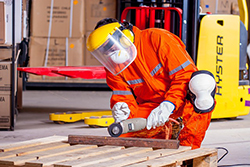 Employees who work in construction, carpentry, manufacturing, auto repair, welding and maintenance are most likely to experience eye injuries. However, almost every work environment contains eye hazards, and the Centers for Disease Control and Prevention reports that 2,000 people suffer from workplace eye injuries every day. As many as 400 of those accidents causes vision loss. The correct eye protection can prevent up to 90 percent of these accidents.
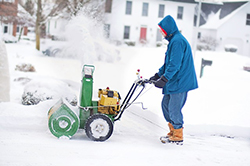 The nation’s more extreme weather patterns reinforces the need for businesses to reduce the risk of injuries or accidents to employees working out of doors under winter conditions.
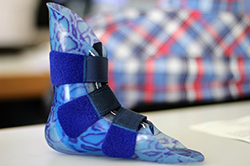 Workers’ compensation insurance covers losses related to work-related injuries. When one of your employees is injured at work, you, the owner of the company, need workers’ compensation insurance to cover the employees’ medical expenses. The incident must be caused by an incident within the course and scope of the employees’ duties at work. Generally, as long as the injury occurs on the work premises, happens during work, and takes place while the employee is at work, the claim will be covered. Of course, there are numerous exceptions. Contact your workers’ compensation insurance adjuster for an extended explanation of which claims will be accepted and which will be denied.
 When you are injured or become ill on the job, you file a Workers’ Compensation claim. It covers your medical treatment and other expenses. However, you may not get the treatment or care you think you deserve. Consider when and how to get a second opinion.