
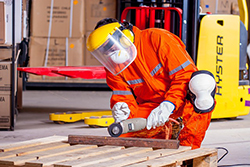
 Employees who work in construction, carpentry, manufacturing, auto repair, welding and maintenance are most likely to experience eye injuries. However, almost every work environment contains eye hazards, and the Centers for Disease Control and Prevention reports that 2,000 people suffer from workplace eye injuries every day. As many as 400 of those accidents causes vision loss. The correct eye protection can prevent up to 90 percent of these accidents.
Common Causes of Workplace Eye Injuries
The most common causes of eye injuries include:
-
- Chemicals and cleaning products
-
- Tools
-
- Flying metal, glass, pencils, nails, staples, wood slivers and other objects
-
- Particles
-
- Harmful radiation
How do Eye Injuries Happen?
Eye injuries typically occur in three ways.
-
- Penetration occurs when a sharp object enters the eye and causes trauma.
-
- Burns damage the tissue in and around the eye. They are caused by chemicals or cleaning products and include thermal burns from welding.
-
- Striking or scraping involves small particles or objects and is the most common workplace eye injury. The offending material can affect the eye, eyeball or socket.
Ways to Prevent Eye Injuries
You and your employees can take several steps to protect sensitive eyes.
-
- Perform an eye hazard assessment. Walk around your business and identify any workstations, objects or other potential hazards.
-
- Eliminate as many hazards as possible. Work with your safety manager or insurance company to identify and remove the hazards you find.
-
- Install safety measures. Consider installing screens, machine guarding or engineering controls as well as other necessary safety precautions.
-
- Teach eye safety to your employees. Your team members should understand the potential dangers they may face on the job and the protective measures they should take.
-
- Provide proper eye safety gear. The gear you provide depends on your specific workplace hazards and on your employees’ personal preferences and needs. Examples include prescription and non-prescription safety glasses, side shields, goggles, face shields, helmets and full-face respirators. Be sure the safety lenses follow OSHA requirements, are comfortable and allow peripheral vision.
-
- Train team members on how to handle an eye injury emergency. Everyone should know where the eye wash station is located and how to use it.
-
- Continue to take eye safety seriously. Perform regular hazard assessments, update safety equipment and provide ongoing eye safety training.
-
- Update your Workers’ Compensation insurance. While you do your best to ensure workplace safety, accidents can happen. Your Workers’ Compensation insurance will pay for medical treatment and other related expenses if an employee suffers an eye injury on the job.
Workplace eye safety is important. Use these top safety tips to prevent as many eye injuries as possible.
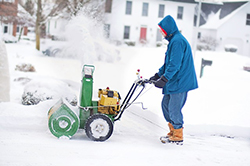 The nation’s more extreme weather patterns reinforces the need for businesses to reduce the risk of injuries or accidents to employees working out of doors under winter conditions.
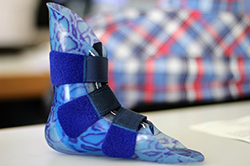 Workers’ compensation insurance covers losses related to work-related injuries. When one of your employees is injured at work, you, the owner of the company, need workers’ compensation insurance to cover the employees’ medical expenses. The incident must be caused by an incident within the course and scope of the employees’ duties at work. Generally, as long as the injury occurs on the work premises, happens during work, and takes place while the employee is at work, the claim will be covered. Of course, there are numerous exceptions. Contact your workers’ compensation insurance adjuster for an extended explanation of which claims will be accepted and which will be denied.
 When you are injured or become ill on the job, you file a Workers’ Compensation claim. It covers your medical treatment and other expenses. However, you may not get the treatment or care you think you deserve. Consider when and how to get a second opinion.
 In early September, the credit reporting agency Equifax announced a significant data breach. Hackers were able to access the names, birth dates, Social Security numbers and addresses of 143 million consumers, which put their identity and credit at risk. A credit report freeze is one protective measure Equifax recommended. Every consumer, including you, should understand this protective measure as you protect your data, identity and credit.
 How secure are your business assets? According to the Association of Certified Fraud Examiners (ACFE), companies with less than 100 employees lose an average of $155,000 a year to fraud. Small businesses also have a higher fraud rate than larger firms and non-business owners.
 Celebrate National Cyber Security Awareness month with strong passwords. They protect your information from cybercriminals and keep you safe as you use the internet.
 The Federal Emergency Management Agency (FEMA) reports that over 40 percent of businesses affected by a disaster do not reopen. Whether your business faces a natural, technological or human-caused disaster, you can get back to business quickly in several ways.
 Your small business insurance may cover data breaches, auto accidents and weather damage. To get reimbursed, though, you need to file a claim. Use these six steps to ensure your insurance claim is processed quickly and properly.
 An engineer designs the site and grading plan for a construction project. After the project’s completion, the developer finds that the parking lot is not draining.