 Although living abroad for the next year is an exciting prospect, there is much to plan and consider. One aspect that’s often overlooked is extended medical treatment. Most people living abroad would want to return home for treatment and recovery and to be close to loved ones if they become critically ill. Many mistakenly assume that if a critical illness should arise, then their managed care plan would take care of things. This couldn’t be further from the case.
Your health insurance plan in the United States isn’t designed to cover you when you are out of the country for an extended stay. Medicare and Medicaid don’t offer any coverage for any medical expense that develops outside the United States. HMOs (Health Maintenance Organizations) generally will cover emergency room treatment wherever you are, but routine health coverage is offered through the state provider networks of your resident state. If you use a network doctor, PPOs (Preferred Provider Organizations) will cover a greater portion of the expense.
Some might turn to Travel insurance as a source of extended medical treatment coverage. This too isn’t quite the case. Yes, Travel insurance generally will provide you with a certain degree of coverage for illness and injury. The amount and extent of coverage is based on what plan you choose. However, the benefit period is usually only six months. So, if your trip is a year long, then you will only be covered for half of your stay and then be responsible for any incurred medical expenses thereafter.
Expatriate Health insurance, by its very name, should alert you that this might be the Health insurance you’re seeking. In Latin, “ex” means away from and “patria” means fatherland. This insurance is geared toward those who will be away from their home, especially stays that extend past six months. Expatriate Health insurance is specifically designed so that you don’t have the geographical limitations and restrictions to provider networks that you have in your managed care plan.
Coverage is often only half of the problem when trying to navigate a foreign health system. The Expatriate Health insurance will also help when dealing with language barriers, transportation to U.S. health care centers, and currency exchange.
Expatriate Health insurance plans are divided into two categories:
The first is the basic expatriate plan. This plan offers coverage for care in-hospital and in-patient, meaning it will cover areas such as a hospital stay, services from a number of medical providers, and ambulance transportation. Home health nursing care and emergency dental services are also usually covered. Enhancements to the basic plan, such as outpatient services, certain therapy services, and prescription drugs, may be purchased for an additional cost.
Many of the basic plans will also offer emergency medical evacuation coverage for an additional cost, which will transport you immediately from wherever you are to the nearest advanced medical treatment center in the event a medical emergency should arise. Most medical evacuation coverage will also include a return fare.
The second category is the Comprehensive Expatriate Health insurance plan. This is useful if you require more extensive medical coverage, such as for dietary, psychiatric, eyes, ears, chiropractic, osteopathy, rehabilitation, labor and delivery, and home nursing care needs. Certain prescription medications and diagnostic testing may be covered as well.
Like any health plan, expatriate coverage usually has certain exclusions and restrictions. Most carriers will generally not cover preexisting conditions; injuries from war, rioting, and terrorism; and those with hazardous occupations. In cases of preexisting conditions, certain carriers may underwrite it for an additional cost.
 Employees can be classified as exempt or nonexempt. This classification affects their paychecks, and a misclassification could cost your business thousands of dollars, so understand how to classify employees properly.
 After several hours of sitting at your work desk, it’s finally time for your break. The moment you stand up for your break, you realize that your legs are numb, stiff, or just won’t work. This is a common scenario experienced everyday by a variety of desk workers. Not that being devoted or working hard is a negative thing, but it can be detrimental to the body if smart work habits aren’t employed.
 You may believe you deserve a raise, but asking for more money can be uncomfortable, intimidating and risky. Nine tips teach you how to ask for a raise the right way.
 Retirement has always been a tough undertaking but in today’s tumultuous economy, it sometimes seems like an impossible task. There’s no question that countless risks go hand in hand with retirement. However, even during a recession, you can manage these risks. Here are the top five most common retirement risks and the best ways to deal with them:
 When you start your very first job, you probably don’t think about retirement. However, you owe it to your future self to start planning for retirement now at the beginning of your work career. Here are seven tips that help you grow your nest egg.
 Up to 80% of retirees decide to stay in their initial homes after they retire. They have lived there throughout their lives and are relaxed there. However, could you experience more relaxation somewhere else? Perhaps you should spend some more time thinking through things. How much space do you truly need to be relaxed in retirement? What are your choices? Things you might want to think about include the cost, geographic situation, availability of services, and maintenance factors. Think about the different scenarios and how they might apply to you, such as whether to stay in one location or to relocate. You might wish to relocate across town, or perhaps across the country. If you were always interested in moving to somewhere dry or sunny, this could be your chance. You might also be interested in relocating because you would like to be closer to your children and your grandchildren.
 Short-term disability insurance is an important resource you may have heard about through your job or private insurance agent. Understand what short-term disability insurance is as you decide if it’s right for you.
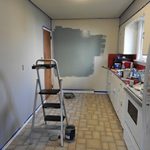 Those wanting to give a home an update or remodel often also want to know what will give them the most return for their invested dollar should they ever want to resell. The results of one new report might cause some surprise.
 Personal umbrella insurance can be a valuable tool in your insurance portfolio since it protects your assets. Before you purchase this important protection, though, understand if you need it.